

How to Tell if Coffee Beans Are Fresh: 7 Steps
Table of Contents
- Why Freshness Changes Everything in Your Cup
- What Is Coffee Freshness?
- Signs of Stale Coffee Beans: 6 Quick Checks
- Coffee Roast Date vs Expiration Date: What to Read First
- Best Time to Brew Coffee After Roasting
- How to Store Coffee Beans for Lasting Freshness
- How to Tell If Coffee Beans Are Fresh: A 7-Step Sensory Routine
- Conclusion
- Frequently Asked Questions
Last Updated: October 2, 2026
Why Freshness Changes Everything in Your Cup
Fresh coffee is not a marketing phrase. It is a measurable chemical state, and it fades fast. Coffee beans begin losing their best qualities within days of roasting, not months. That window is why the answer to how to tell if coffee beans are fresh matters more than the bag design or the price tag.
At The Good Beanery, we roast every batch the day it ships, because freshness is the one thing you cannot add back later. This guide shows you how to judge freshness yourself, using your eyes, nose, and a simple pour of hot water. You will learn the six quick checks, the difference between roast and expiration dates, and a seven-step routine anyone can follow.
Specialty Coffee Association standards on green coffee and freshness
What Is Coffee Freshness?
Coffee freshness is the period when roasted beans still hold their peak aroma, flavor, and carbon dioxide. After roasting, beans slowly release gas and take on oxygen. That process, called oxidation, dulls the taste.
Two things drive the decline:
- Degassing: beans release carbon dioxide for days after roasting
- Oxidation: oxygen slowly breaks down the oils and acids that create flavor
Fresh beans taste vibrant and sweet. Old beans taste flat, papery, or bitter.
Signs of Stale Coffee Beans: 6 Quick Checks
Six signals tell you a bean has gone past its best. Check them in order, fastest first.
- Smell the bag. Fresh beans smell fragrant and sweet. Stale beans smell dull or like cardboard.
- Look for oil. A light sheen is normal on dark roast. Heavy, sticky oil residue on older beans signals age.
- Squeeze a bean. Fresh beans feel dense and hard. Old beans feel light and hollow.
- Listen for the crack. A fresh bean snaps when you bite it. A stale one crumbles.
- Run the bloom test. Fresh grounds bubble and foam when hot water hits them.
- Taste a small sip. Fresh coffee tastes bright. Stale coffee tastes flat and papery.
If more than two checks fail, your beans are past their prime.
The Bloom Test
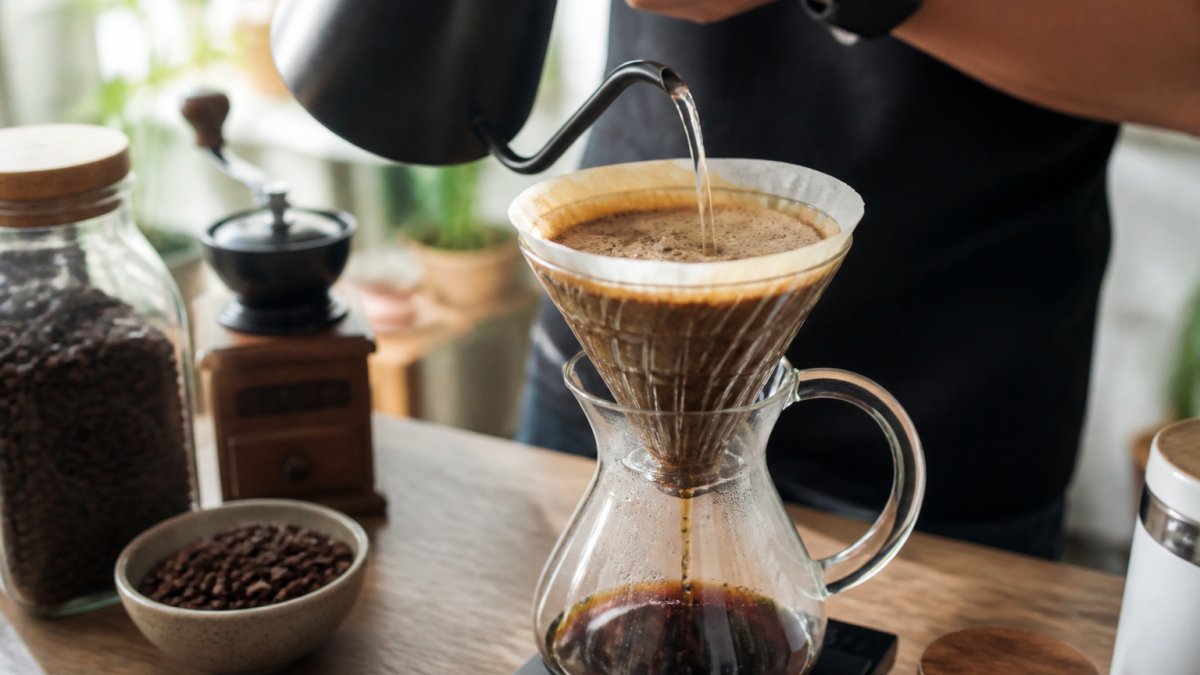
The bloom test is the fastest way to check freshness. Pour hot water over a spoonful of ground coffee. Fresh coffee swells and bubbles as trapped carbon dioxide escapes. A big, foamy bloom means recent roasting. A weak or flat bloom means the gas is already gone.
Look, Smell, Taste
Your senses catch what a date stamp cannot. Look for a matte surface on light roast and a light sheen on dark roast. Smell for sweetness, not dust. Taste for acidity and sweetness working together. When those fade into bitterness or a papery taste, freshness has passed.
Coffee Roast Date vs Expiration Date: What to Read First
The roast date tells you far more than the expiration date. Always read the roast date first. It records the day the beans were roasted and starts your freshness clock.
An expiration date is a rough safety guide, often set months out.
Here is how the common labels compare:
| Label | What It Tells You | Best Use |
|---|---|---|
| Roasted on | Day beans were roasted | Judge peak flavor |
| Packed on | Day beans were bagged (may be weeks after roasting) | Weak proxy for freshness |
| Best by | Maker's flavor guess, often 6-12 months out | General guidance only |
| Use by / Expiration | Rough safety window | Avoid spoiled product |
| Julian code (e.g., 245) | Day-of-year the beans were roasted or packed | Decode only if you know the year |
How to Decode a Bag With No Clear Roast Date
Some roasters hide the roast date in a code. A three-digit number like "245" usually means the 245th day of the year, around September 2. If the bag also shows a year, you can calculate the age in seconds. If it does not, treat the code as a best-by and assume the beans are older than you hope.
A few practical rules when the label is ambiguous:
- If only a best-by date is printed, subtract 6-12 months to estimate the roast date. That is the roaster's typical freshness window, not a guarantee.
- If "packed on" is printed, remember packing can happen days or weeks after roasting. Ask the roaster if the gap matters to you.
- If nothing is printed, buy elsewhere. A roaster who will not date the bag is usually not tracking freshness closely.
Why Roast Level Changes the Clock
Buy from roasters who print the roast date clearly, ideally with the roast level on the same label. If a bag shows only a best-by date, treat it with caution.
Best Time to Brew Coffee After Roasting
The best time to brew is roughly 4 to 14 days after the roast date. In that window, degassing has settled enough for steady extraction, but the beans still hold strong aroma and sweetness.
A simple timeline:
- Days 1-3: rest the beans; degassing is heavy
- Days 4-14: peak flavor window for most brewing methods
- Days 15-30: still good, but flavor fades
- Past 30 days: noticeably stale for most drinkers
How to Store Coffee Beans for Lasting Freshness
Store beans in an airtight container, away from light, heat, and moisture. Whole bean coffee keeps its flavor far longer than ground coffee because less surface is exposed to air.
Four rules protect freshness:
- Keep beans whole until you brew
- Use an opaque, airtight container with a one-way valve
- Store in a cool, dark cupboard, not above the stove
- Buy in amounts you will finish within a few weeks
What Packaging Actually Does (and What It Cannot Do)
Most bags do more than hold beans. Two technologies matter, and both are widely misunderstood.
Freezing: The Method Most People Get Wrong
Freezing is the most under-used freshness tool in home coffee, and it works, if you do it right. The goal is to stop oxidation and moisture migration, not to thaw and refreeze.
A reliable freezing protocol:
- Freeze within 1-2 weeks of the roast date, while the beans are still near peak.
- Portion into single-use amounts, enough for one to three days of brewing. Mason jars, vacuum-sealed bags, or thick freezer bags all work.
- Remove as much air as possible before sealing. A vacuum sealer is ideal; pressing air out of a zipper bag is a reasonable substitute.
- Label each portion with the roast date so you know what you are thawing.
- Thaw only what you will use. Take one portion out, let it come to room temperature in the sealed container (about 30-60 minutes), then grind and brew.
- Do not refreeze. Each freeze-thaw cycle pulls moisture into the bean and accelerates staling.
Water Chemistry: The Freshness Mask
Water can hide or highlight staleness, and most guides skip this entirely. If your tap water is heavily chlorinated or very hard, it can flatten the bright acidity that signals fresh coffee, making a stale bean taste merely "okay" and a fresh bean taste muted. If your water is very soft or low in minerals, it can amplify bitterness and papery notes in old beans.
How to Tell If Coffee Beans Are Fresh: A 7-Step Sensory Routine
This routine takes about five minutes and needs no special tools. Follow the steps in order for a clear read on freshness.
- Check the roast date. Confirm it is within the last two to four weeks.
- Smell the whole beans. Look for a sweet, fragrant scent, not a dull one.
- Inspect the surface. Note a light sheen on dark roast, matte on light roast.
- Snap a bean. A clean crack means dense, fresh beans.
- Grind a small amount. Fresh grounds release a strong aroma.
- Run the bloom test. Watch for swelling and bubbles.
- Taste a sip. Confirm bright acidity and sweetness, not a papery taste.
Conclusion
Judging coffee freshness comes down to a few repeatable checks: the roast date, the bloom, and your own senses. Most people settle for whatever is on the shelf, then wonder why the cup tastes flat.
Frequently Asked Questions
What is the 15-15-15 coffee rule?
The 15-15-15 rule is a simple guideline for brewing coffee: use a 15:1 water-to-coffee ratio (15 grams of water for every 1 gram of coffee), brew for 15 seconds during the bloom, and aim for a total brew time of around 15 minutes for cold brew. It is not a freshness test, but it helps you get consistent flavor from your beans. For freshness, focus on the roast date and bloom reaction instead.
How long does coffee stay fresh after it's ground?
Ground coffee loses its aroma and flavor much faster than whole beans. Once ground, coffee starts oxidizing immediately and is best used within 1-2 weeks if stored in an airtight container away from light and heat. For peak freshness, grind just before brewing. Whole beans stay fresh for 2-4 weeks after the roast date, while ground coffee is noticeably stale after about 2 weeks.
Are 2-year-old coffee beans still safe to drink?
Yes, 2-year-old coffee beans are generally safe to drink, but they will taste stale, flat, and papery. The oils have oxidized, and the beans have lost most of their aroma and flavor. They won't make you sick, but they won't make a good cup either. For better results, check the roast date and buy beans roasted within the last month.
How does the smell of fresh coffee differ from stale coffee?
Fresh coffee beans smell sweet, fragrant, and complex, with notes of fruit, chocolate, or nuts depending on the roast. Stale beans smell flat, papery, or like cardboard, and may have a rancid or oily odor if the oils have gone bad. A quick sniff of the bag or grinder can tell you a lot before you even brew.